The pre-anesthetic check in pets: exam, blood work and consent
Most of what makes an anesthetic go well is decided before the first injection. Owners can help with most of it.
Updated
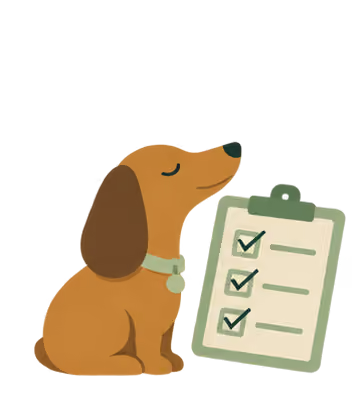
It starts with the clipboard at reception. Somewhere between the line about allergies and the signature box sits a question that looks trivial: has the dog had any coughing, fainting or change in appetite in the last month? A careful answer to it is one of the most useful things an owner can give the veterinary team.
That question opens the pre-anesthetic check, which has four parts: the history, the physical exam, tests where they are needed, and a conversation about risk and cost. Together they decide which drugs are used, how much fluid is given, how closely the patient is watched, and occasionally whether the procedure should happen at all. The broader picture of how risk is graded is in the overview of dog anesthesia and cat anesthesia.
The history: what the clinic needs to hear
The team wants to know about current medication and supplements, past anesthetics and how the pet recovered, allergies or reactions to drugs, and any recent changes. Coughing, breathlessness on walks, fainting, drinking or urinating more, weight loss, vomiting, diarrhea or a change in appetite can all point to disease that matters under anesthesia.
Breed history counts too. Some breeds and lines are known for particular problems, and owners of rescued dogs often know less than they would like. That is fine. Saying “unknown” is more useful than guessing.
Previous anesthetic records from another clinic are worth bringing or forwarding. A note that a cat was slow to wake, or that a dog needed a smaller breathing tube than expected, saves time and guesswork.
The physical exam
A pre-anesthetic exam follows the same pattern as any general exam, with extra attention to the systems anesthesia stresses most. The veterinarian listens to the heart for murmurs and irregular rhythms and to the lungs for crackles or wheezes, checks gum color and capillary refill time, feels the pulse, and looks at hydration, body condition and weight.
The weight on the day matters more than owners expect. Drug doses are calculated from it, and a dog that was weighed eight months ago at a different body condition can be several pounds off. In flat-faced dogs the exam also covers nostril size, breathing noise and exercise tolerance, because those predict how the airway will behave.
A heart murmur found at this stage is common and is not automatically a reason to cancel. It may lead to chest x-rays, an ultrasound of the heart or a cardiac blood test before anesthesia, especially in cats, where some heart disease causes no murmur at all and some murmurs mean little.
The answers written on the admission form shape the anesthetic as much as anything the machines show later.
Blood work and what it can show
Blood tests before anesthesia look for problems the exam cannot find. A typical pre-anesthetic panel includes some or all of the following:
- A complete blood count, which shows anemia, signs of infection or inflammation, and the platelet count.
- Kidney values (urea and creatinine, sometimes SDMA), since many anesthetic drugs lower blood pressure and the kidneys depend on it.
- Liver enzymes and function markers, because the liver breaks down most anesthetic drugs.
- Blood glucose and total protein, plus electrolytes such as potassium in sick or older patients.
- A thyroid level (total T4) in middle-aged and older cats.
A urine sample adds information about kidney function and is often requested for seniors. Clotting tests are added before surgery with a high bleeding risk or in breeds known for clotting disorders.
How much blood work a young, healthy animal needs is a fair question, and practices differ. For a one-year-old dog with a clean history and a normal exam, a short panel is usually enough. For older animals, for any patient with signs of illness, and for cats over about seven years, a full panel is worth having. The older the patient, the more likely a test finds something that changes the plan.
ASA status: putting it together
After the history, exam and tests, many veterinarians assign an ASA physical status class from I (healthy) to V (not expected to survive without the procedure), with “E” added for emergencies. The class is a shorthand for how much reserve the patient has. It guides how many people are involved, which drugs are chosen and how closely the recovery is supervised.
Two healthy dogs of different ages may both be class I. A cat with stable, treated kidney disease may be class III. The number does not decide anything on its own; it makes the team say out loud how sick the patient is.
Special cases
Senior dogs and cats
Older patients have less reserve. The check tends to be broader: a full blood panel, urine, blood pressure, and sometimes chest x-rays. Arthritis matters too, because positioning on the table can leave a stiff dog sore for days. Older animals have needs well beyond the operating day, and caring for senior pets looks at the rest of them.
Puppies and kittens
The very young run out of blood sugar and body heat quickly and process some drugs slowly. They are usually fasted for a shorter time, warmed from the start and given small, frequent checks of glucose and temperature.
Brachycephalic dogs
Pugs, French Bulldogs, Bulldogs and similar breeds get a closer look at the airway and at any history of regurgitation or vomiting. Some clinics give medication before the procedure to reduce stomach acid and nausea. Where airway surgery is already planned, it is sometimes combined with the procedure the dog was booked for.
Cats with hyperthyroidism or kidney disease
An overactive thyroid speeds up the heart and raises blood pressure, so most veterinarians prefer to bring it under control with medication before an elective anesthetic. Kidney disease calls for intravenous fluids, careful blood pressure monitoring and drugs that are gentle on the kidneys. Both conditions often occur together in older cats, and treating one can unmask the other, which is another reason for testing before the day.
Consent and the estimate
Before the procedure the owner signs a consent form. It should name the procedure, the anesthetic, the main risks and what the team may do if they find something unexpected. A good form asks how to reach the owner during the day and whether the team may act without calling in an emergency.
The estimate usually lists the procedure, the anesthetic, monitoring, fluids, pain relief and medication to go home. If an item such as intravenous fluids or blood work is marked optional, it is reasonable to ask what the team would choose if this were their own pet. Cutting the cost by dropping the catheter or the monitoring is a poor trade.
What to bring and tell the clinic
On the day, the useful things are simple: all current medications in their packaging, a note of when each was last given, and a phone number that will actually be answered. The clinic will explain fasting before surgery and which morning medicines to keep; following those instructions exactly matters more than any general rule. Mention anything that changed since the check, even if it seems minor: a single vomit, a cough, a missed dose. During the procedure, the anesthesia monitoring picks up from where this check left off.
If your dog ate something it should not have the night before, say so at the desk, not after the premed.
Frequently asked questions
Can the blood tests be done on the morning of the procedure?
Many clinics run them that morning on an in-house analyzer, which gives results within the hour. Others prefer a sample a few days earlier so that an unexpected result can be followed up without canceling on the day. Both approaches work. The second is often better for older pets or those with a known condition, because there is time to adjust the plan calmly.
My cat is very stressed at the clinic. Will that affect the check?
Stress raises heart rate, blood pressure and blood sugar in cats, which can make some results look worse than they are. Clinics that handle cats well use quiet rooms, towels and minimal restraint. Some prescribe a calming medication to give at home before the visit. Mentioning the cat's history of stress at booking lets the team plan for it.
What happens if the blood results are abnormal?
It depends on the result and the procedure. A mildly raised value may only change the drugs or the fluid plan. A clearly abnormal kidney or liver result, a low red cell count or signs of infection may lead to more tests, treatment first, or postponing a procedure that is not urgent. Emergency surgery usually goes ahead with the plan adapted to the findings.
Does my pet need a new pre-anesthetic check if it had one a few months ago?
Usually yes, at least in part. The physical exam and weight are normally repeated on the day, because health can change quickly, especially in older animals. Whether earlier blood results can be reused depends on how old they are, the pet's age and health, and the clinic's own policy. A young, healthy dog may need little new testing, while a senior cat with kidney disease is likely to need fresh results.
Sources and further reading
Explore the original publications behind this guide.
Keep reading
Pet anesthesia
ASA risk classes, the CEPSAF death rates, flat-faced breeds and the reasons cats need gentler airway handling.
Fasting before anesthesia
The AAHA food and water ranges, which morning tablets still go down, and how puppies, diabetic pets, cats and rabbits differ.
Growing older, feeling good
When a Great Dane or a Chihuahua counts as senior, what twice-yearly checks look for, and a home set up for stiff joints.